Benefits of Air Duct & HVAC System Cleaning
Understanding how professional mechanical sweeps improve system thermodynamics, remove airborne allergens, and protect your home from fire hazards.
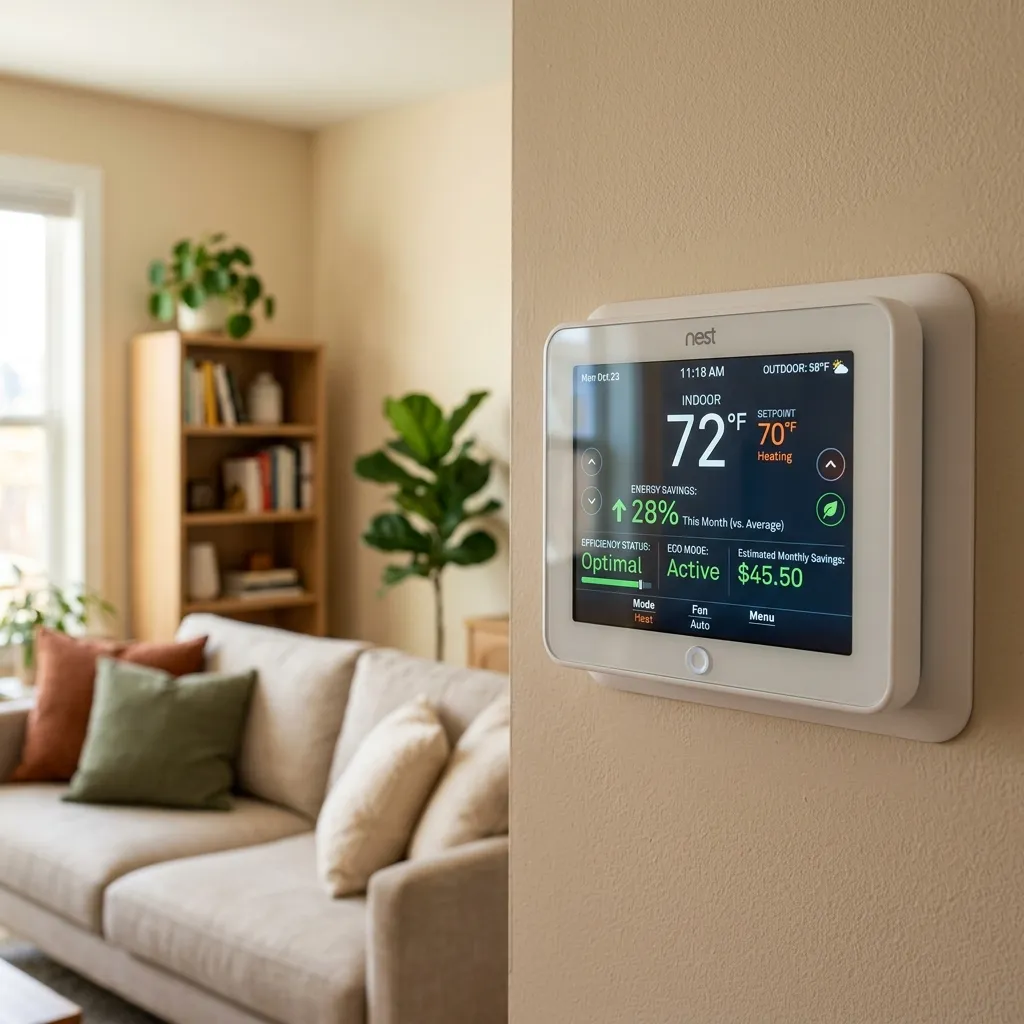
1. Thermodynamic Efficiency & Lower Energy Bills
Your heating and cooling systems rely on optimal heat exchange to reach set thermostat temperatures. When dust, sand, or mold coats your AC evaporator coils or blower blades, it forms an insulative barrier. This restricts airflow and reduces thermal transfer, forcing the AC to draw excessive electricity. Cleaning these components restores original airflow speeds, reducing summer cooling bills.
Read Coil Washing Details
2. Health Improvement & Allergen Removal
Return grilles pull in daily household dust, pet hair, dander, and outdoor pollen. These allergens accumulate inside air vents, circulating back into bedrooms when the blower motor runs. Extracting these contaminants using negative pressure vacuum collections relieves morning sinus congestion and triggers. Adding sanitizing mists eliminates mold spores and bad musty odors.
Read Air Duct Sweeps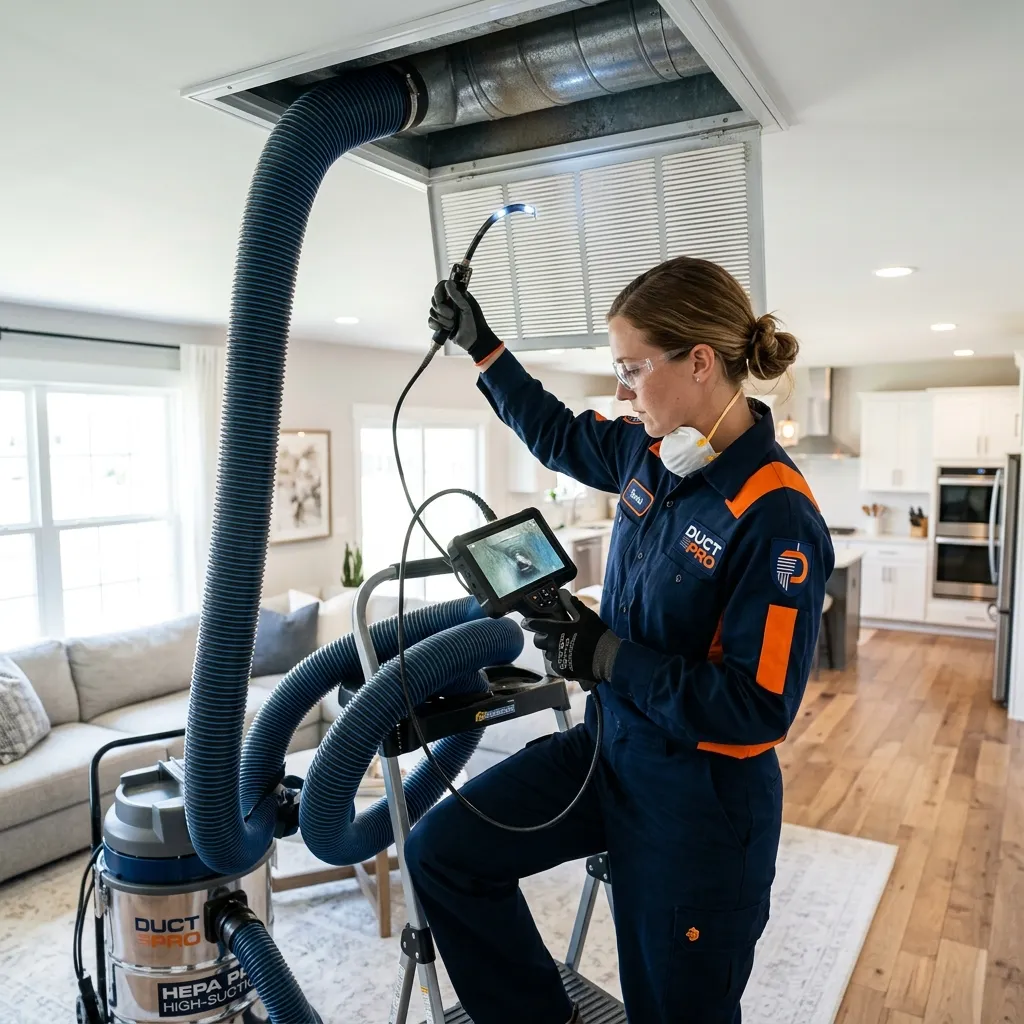
3. Extended HVAC System Lifespan
When return and supply lines are choked with caked dust or sand, static backpressure increases. The system's blower motor is forced to strain to distribute air. This extra friction leads to rapid wear, part breakdowns, and, in worst-case scenarios, AC compressor failure. Keeping system pathways clean keeps mechanical stress low, preventing premature system replacements.
Read Air Quality Detailings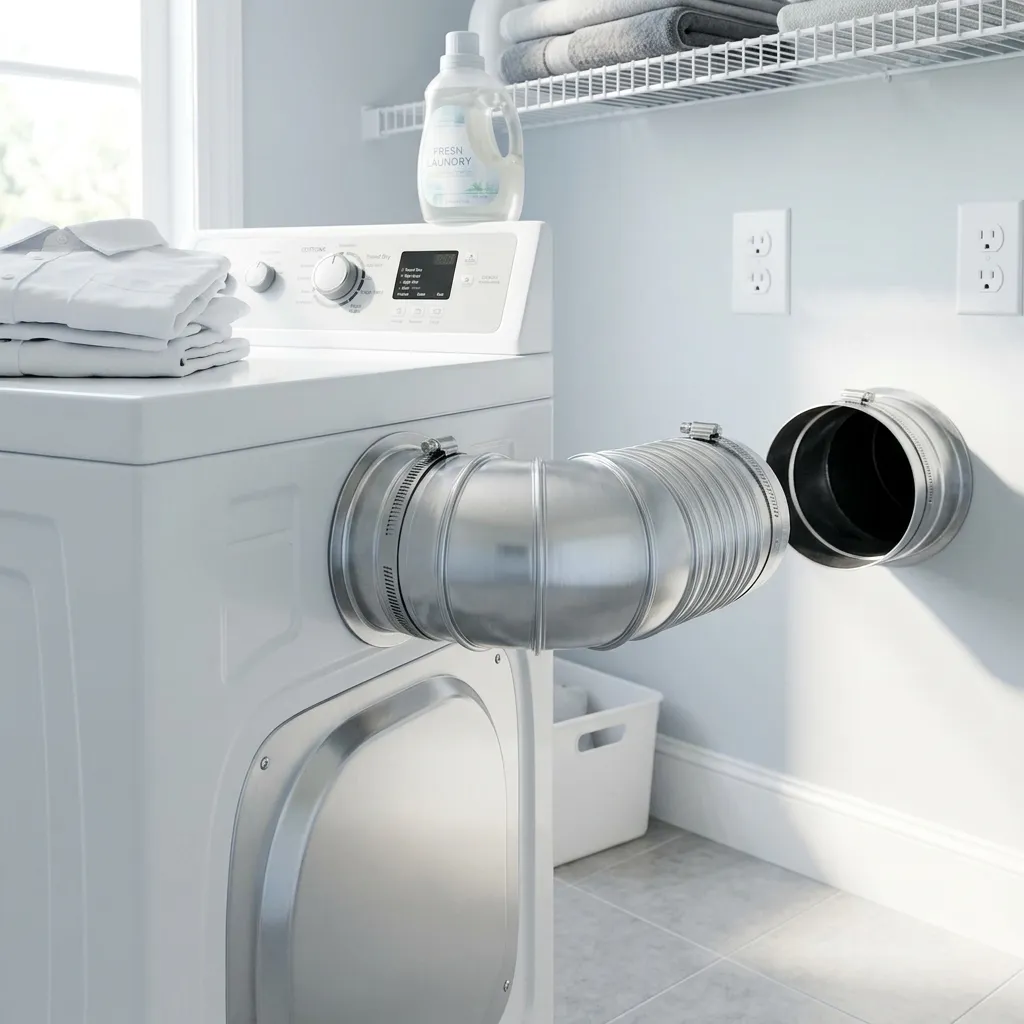
4. Fire Prevention & Life Safety
Lint is highly combustible and accumulates rapidly inside clothes dryer vents. When exhaust flow is restricted, heat builds up in the drying chamber, which can easily spark and ignite the lint. Similarly, fireplace wood combustion leaves creosote deposits on chimney walls. Annual dryer sweeps and chimney sweeps keep these risks away, securing your home.
Read Dryer Vent SweepsReady to Optimize Your Ventilation?
Submit your ZIP code to check regional dispatch availability. Get same-day inspections and transparent quotes.