How Often Should a Dryer Vent Be Cleaned?
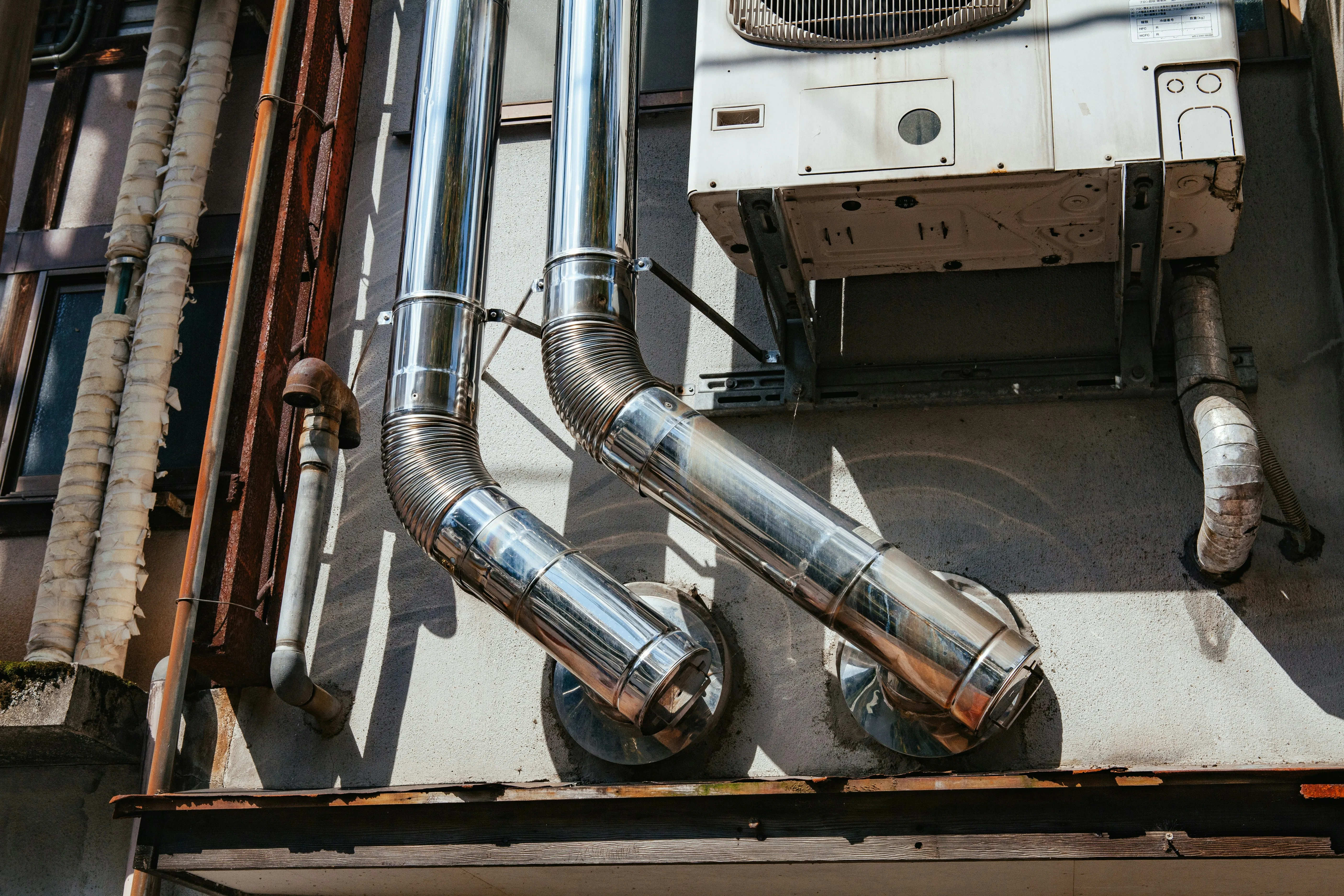
How often should you clean your clothes dryer vent exhaust line? For most standard residential households, the consensus among safety organizations is to clean your dryer vent at least once a year. However, specific household factors can shorten this timeline, making more frequent checks necessary to prevent fire hazards and utility waste.
Household and Structural Factors That Require More Frequent Cleaning
1. High Dryer Usage and Large Families
A dryer's lint accumulation rate is directly proportional to how often it is run. Large households with four or more members, or families with infants running multiple laundry loads daily, will compile lint inside the exhaust line rapidly. In these situations, scheduling a safety check every six months is highly recommended.
2. Homes with Multiple or Heavy-Shedding Pets
Pet hair and animal dander easily bypass the dryer's interior lint trap screen. This fur enters the exhaust duct, mixing with wet lint to create thick, sticky clogs. Homeowners with shedding dogs or cats should inspect their vents more frequently to prevent airflow blocks.
3. Long Vent Runs and Multiple Elbows
The physical path of your dryer vent pipe affects lint accumulation. A short, straight pipe exiting directly through an exterior wall clears lint easily. However, dryer lines that travel long distances through attics, crawlspaces, or drop ceilings require high velocities to draft. Each 90-degree elbow bend slows airflow, creating pockets where combustible lint compiles.
4. Vertical Roof Vent Terminations
Vents that exit vertically through the roof must combat gravity. Heavy, damp lint struggles to travel upward, settling along the vertical pipe and forming a thick blockage right below the roof cap. Inspecting and clearing vertical roof vents requires safety ladders and specialized rotary sweeps.
5. Shared Vents in Apartments and Condominiums
Multi-family developments often feature long, complex dryer exhaust networks. In apartments and condos, dryer lines may be routed through shared utility chases, making regular inspections a building safety requirement to protect tenants from shared fire risks.
Warning Signs and DIY Maintenance Safety
Critical Indicators Your Dryer Vent Is Blocked
Do not wait for your annual check if you observe any of these warning signs: clothes taking 80 to 90 minutes to dry, the dryer feeling excessively hot to the touch during operation, a faint burning smell in the laundry room, or lint deposits visible around the external vent cover flap.
Safe DIY Homeowner Checkpoints
Homeowners can perform simple safety inspections: verify that the external vent hood flap moves freely when the dryer is running, vacuum out the lint trap slot regularly, and inspect the flexible transition hose behind the dryer to make sure it is not kinked or crushed against the wall.
When to Hire Certified Professionals
While basic checks are helpful, professional cleaning is necessary for long runs, vertical roof vents, or when lint is caked deep inside rigid metal wall pipes. Technicians use commercial negative-pressure air sweeps and flexible rotary shafts to completely clean the pipe without damaging the seals.
Frequently Asked Questions
Can a blocked dryer vent cause carbon monoxide poisoning?
Yes, for gas-powered clothes dryers, a blocked exhaust duct prevents combustion byproducts, including carbon monoxide, from venting safely outside, spilling them back into the home living space.
Is flexible plastic foil ducting safe for dryer vents?
No. Flexible plastic or vinyl transition hoses are highly combustible, collect lint rapidly, restrict airflow, and are not compliant with modern building safety codes. Rigid or semi-rigid aluminum ducting should always be used.