Roof Dryer Vent Cleaning Explained
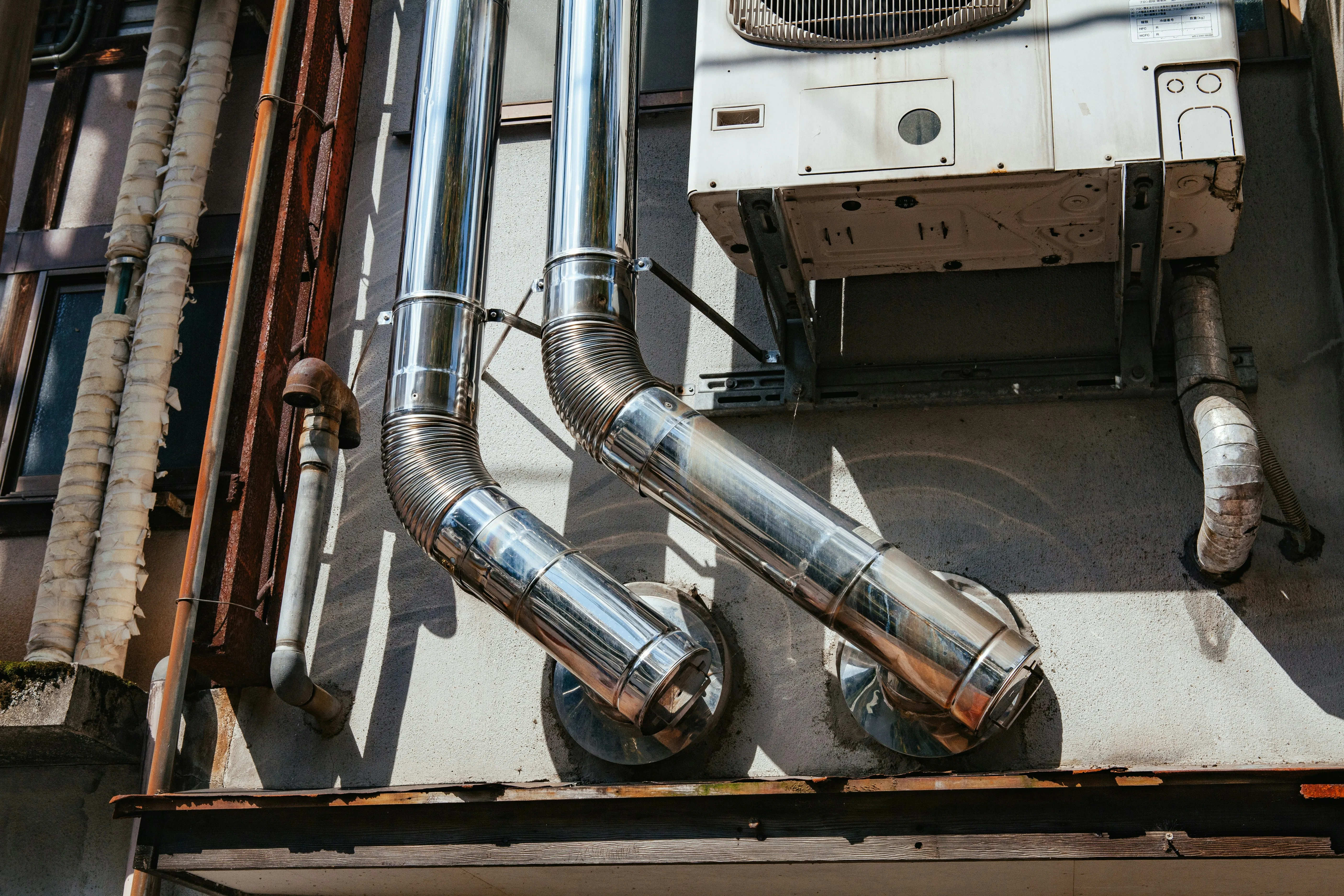
What is a roof dryer vent and how is it maintained? A roof dryer vent is an exhaust line that runs vertically from your laundry room and exits through a dedicated hood on your roof. While these systems save interior wall space and allow flexible floor plans, they present distinct safety risks and require specialized maintenance to prevent fire hazards.
Understanding Roof Dryer Vents and Common Blockages
Why Modern Homes Use Vertical Roof Vents
In many multi-level homes, townhouses, and modern residential layouts, the laundry room is located in the center of the home or on the second floor. Exiting horizontally through an exterior wall is often impossible or would require an excessively long horizontal run. Exiting vertically through the roof is the most direct path to vent heat and moisture outside.
Critical Warning Signs of a Clogged Roof Vent
Because the roof vent exit is out of sight, blockages can build up unnoticed. Major warning signs include laundry loads taking multiple drying cycles, the dryer cabinet feeling extremely hot, humidity building up in the laundry room, or noticing that the dryer's internal lint trap contains no lint (indicating airflow has stalled completely).
The Threat of Lint and Pest Intrusion
A roof termination cap is exposed to the elements. During spring, birds seeking warm nesting sites often build nests inside or on top of the vent hood, completely blocking exhaust. Additionally, damp lint sticks to the damp cap screen, forming a thick, papier-mâché-like blockage that shuts the damper flap.
Professional Cleaning Processes and Safety Considerations
Safety and Access Considerations
Cleaning a roof dryer vent is not a standard DIY project. It requires working at heights on safety ladders, navigating roof slopes, and utilizing specialized tools that clear the line from both ends without damaging the roof seals or shingles. Proper fall protection and safety gear are absolute requirements.
The Professional Cleaning Workflow
A technician's process involves: inspecting the laundry room connection, climbing to the roof to clear the termination cap of bird nests and caked lint, and inserting flexible rotary whips from the roof downwards while a HEPA vacuum is connected at the bottom to collect all extracted lint without messing up the home.
Maintenance Timelines and Pricing Factors
Vertical dryer lines require inspection and cleaning at least once every 12 months. Maintenance costs vary based on roof pitch height (second or third story), accessibility, length of the vertical run, and whether a bird guard hood needs to be installed to prevent nesting.
Frequently Asked Questions
Should I remove the mesh screen on my roof dryer vent cap?
Yes. Dryer vent caps should have a backdraft damper flap but must NOT have a fine mesh screen, as screens quickly catch lint, leading to complete blockages and severe fire risks.
How does vertical gravity affect dryer efficiency?
Gravity makes it harder for heavy, wet lint to travel upward. Over time, lint falls back down or accumulates at the top bend near the roof cap, making yearly sweeps essential.