What Factors Affect Air Duct Cleaning Cost?
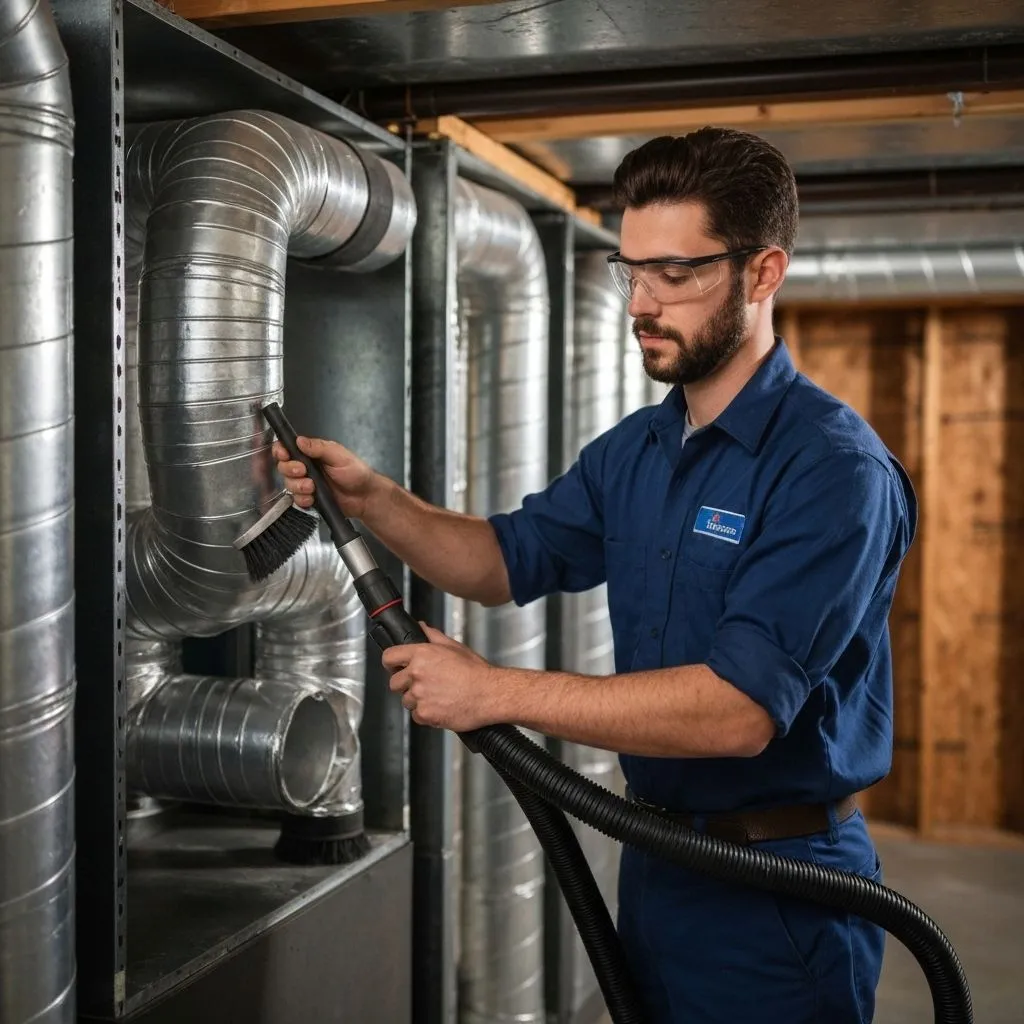
How much does air duct cleaning cost? While standard residential services are generally priced on a custom scale, the final quote depends directly on a variety of structural and system parameters. Understanding these factors is key to choosing a reliable service provider and avoiding common bait-and-switch advertising scams.
Key Parameters That Influence Air Duct Cleaning Estimations
1. Property Size and Total Square Footage
The physical size of your home or commercial building is the most direct indicator of system complexity. Larger properties require longer duct runs and more extensive trunk lines to distribute conditioned air. Naturally, cleaning a 3,500-square-foot multi-level residence takes significantly more time and labor than servicing a 1,200-square-foot single-story home.
2. Vent and Register Count
Most certified duct cleaning pricing methods are calculated based on the total number of supply and return vents in the property. During the inspection process, technicians count every individual register. Each additional vent requires manual sealing, brushing, and vacuuming, directly impacting the final service cost.
3. Number of HVAC Systems and Furnaces
If your home uses multiple zones powered by separate heating and cooling units (for example, one HVAC system for the ground floor and another for the upstairs), the technicians must prepare, attach negative pressure collection equipment, and clean each system independently. Serving two separate HVAC units essentially doubles the work time.
System Architecture and Environmental Factors
4. Duct Layout and Material Type
The design of your ductwork plays a major role in complexity. Rigid sheet metal ducts are straightforward to clean and can handle higher agitation forces, whereas flexible ducting (flex ducts) or fiberglass duct board is delicate and requires specialized, soft-bristled rotary brushes to avoid tearing the inner lining. Intricate layouts with multiple branch bends, drops, and dampers also increase clean times.
5. Accessibility and Unit Location
Ductwork that is easily accessible in a basement, open attic, or utility closet allows technicians to work quickly. Conversely, ducts routed through cramped crawlspaces, highly insulated attics, or behind hard ceiling panels require extra care and time to access. In commercial properties, high ceilings requiring scaffolding or lifts add to the service scope.
6. Heavy Contamination and Debris Accumulation
Homes that have not had their vents cleaned in decades, or those that housed heavy-shedding pets, may have thick carpets of dust, lint, and pet dander caked inside. If inspections reveal mold or mildew colonization, a specialized EPA-registered sanitizing mist treatment is necessary to destroy biological growth, adding a step to the process.
Special Scenarios and Service Types
7. Post-Renovation and Construction Cleanup
Drywall dust, plaster particles, sawdust, and floor sanding residues are extremely fine and abrasive. During a remodel, these particles quickly bypass standard furnace filters and build up inside return grilles. Post-construction sweeps require specialized HEPA collection protocols to capture these fine dust matrices and protect the HVAC blower assembly.
8. Residential vs. Commercial Clearances
Commercial duct cleaning involves larger, rigid duct networks, fire dampers, and complex commercial air handling units. These operations are scheduled after-hours to avoid disrupting business activities, requiring custom coordination, specialized containment plans, and safety certifications, which differ from residential packages.
9. Regional Service Factors
Local climates dictate HVAC workloads. In high-humidity coastal zones (such as Miami or Tampa) or desert locations with wind-borne silica sand (such as Las Vegas or Phoenix), systems face unique stress. Local service teams must adapt their tooling to handle either sticky, moisture-caked mold or abrasive sand deposits.
Frequently Asked Questions
How do I avoid bait-and-switch air duct cleaning scams?
Beware of advertisements offering $99 whole-house sweeps. True professional cleaning requires heavy-duty vacuums, technical safety gear, and hours of skilled labor, and is priced transparently based on system metrics.
How often should commercial building ducts be cleaned?
Commercial facilities should undergo technical inspections every 1 to 2 years, with cleanings scheduled based on usage, building type, occupant health requirements, and building code compliance.